October 23, 2026
Exploring the Bold Flavors of Jamaican Food
By @keeganomzf397
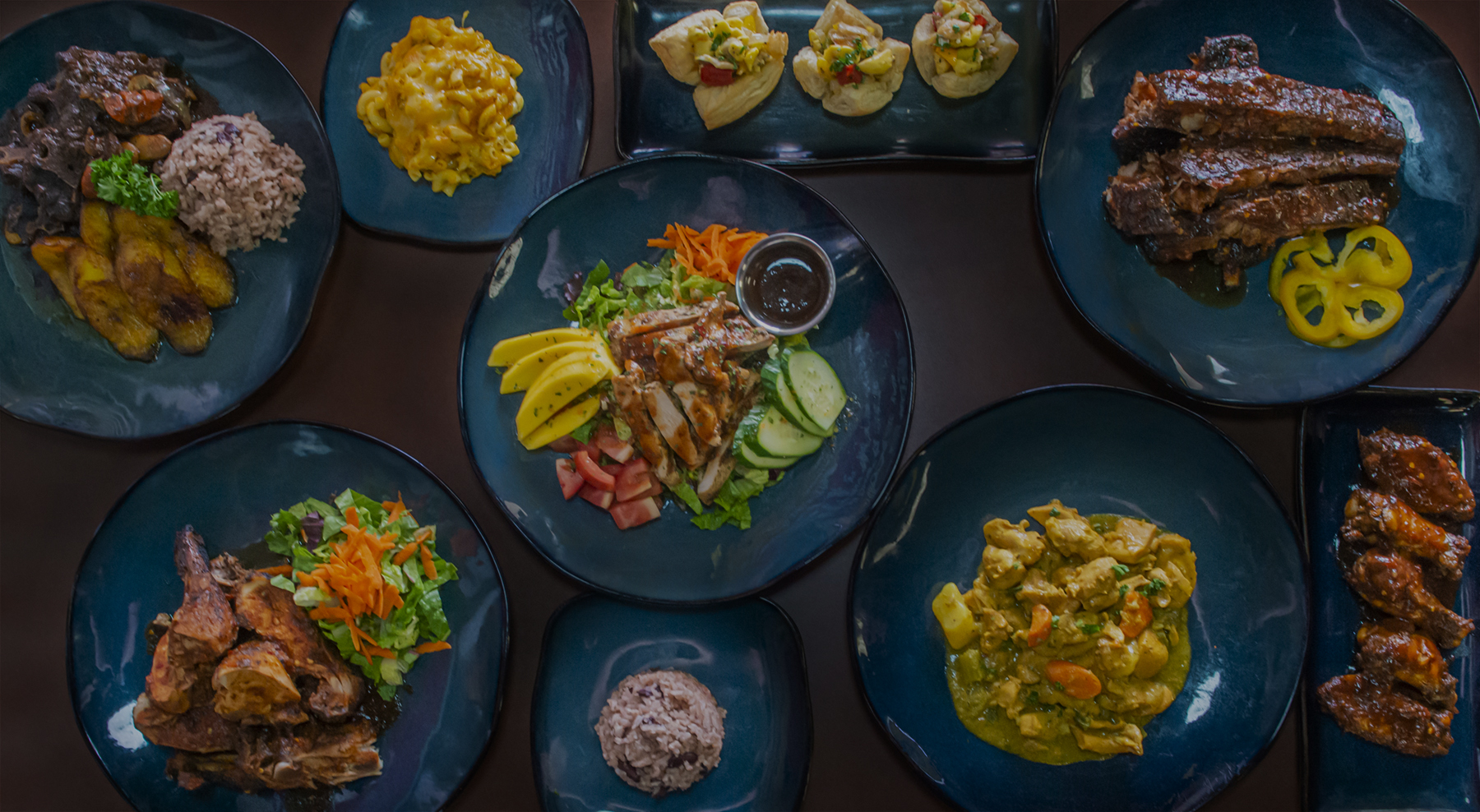
Jamaican food has a way of announcing itself before it reaches the table. You catch smoke from pimento wood, the sharp sweetness of allspice, the heat of Scotch bonnet, the mellow comfort of coconut, and the savory pull of something slow-cooked until it gives up every bit of flavor. It is one of the world’s most expressive cuisines, not because it relies on excess, but because it understands contrast. Fire against sweetness. Smoke against fruit. Salt against starch. Long marination followed by hard searing. Rich gravies next to bright pickles and fresh herbs.
That depth did not happen by accident. Jamaican cooking reflects centuries of movement, survival, adaptation, and invention. African techniques and ingredients shaped the backbone of the cuisine. Indigenous Taíno influence remains in methods and foodways, especially the famous jerk tradition. European colonial presence changed what was grown, traded, and served. Indian and Chinese communities, among others, added seasoning habits, ingredients, and dishes that became fully at home on the island. The result is a cuisine that feels unified while still carrying many voices.
People who are new to Jamaican food often reduce it to spice alone, usually because of jerk chicken’s reputation. Heat matters, but it is only one layer. Good Jamaican cooking leans on spice as architecture, not spectacle. A curry tastes warm, earthy, and rounded before it tastes hot. A stew tastes deep and aromatic before it feels heavy. Even a fiery pepper sauce should still have fruit, vinegar, and a little sweetness somewhere in the frame. That balance is what makes the food memorable.
The seasoning logic behind the cuisine
If you spend time around Jamaican cooks, whether at a roadside jerk pan, a family kitchen, or a serious restaurant, you start to notice that the flavor base is both disciplined and intuitive. Certain ingredients appear again and again: scallion, thyme, garlic, ginger, onion, allspice, Scotch bonnet, black pepper, and seasoning blends that vary by household. Browning sauce may show up for color and a touch of bitterness. Soy sauce, a reminder of the island’s layered culinary history, often appears in marinades. Vinegar brings lift. Lime wakes things up.
What makes these ingredients distinct in Jamaican food is how they are handled. Seasoning is rarely an afterthought. Meat is rubbed down, pierced, marinated, and left to absorb. Beans are simmered with herbs from the beginning, not dressed at the end. Dumpling dough is plain on the surface, but it is designed to support strong gravies or salt fish. A pumpkin soup is not merely pumpkin blended smooth. It is pumpkin built on stock, root vegetables, thyme, and spice, with enough body to eat like a meal.
Scotch bonnet deserves special attention because it is one of the defining ingredients of the cuisine and one of the most misunderstood. Its heat is serious, but its aroma is even more important. There is a fruity, almost tropical note to a good Scotch bonnet that makes it useful beyond simple heat. When used carefully, it flavors an entire pot without overwhelming it. Experienced cooks know the difference between chopping it in for assertive spice and dropping it in whole so the dish takes on perfume and gentle heat.
Allspice, often called pimento in Jamaica, may be the real secret weapon. Many people elsewhere know it only as a powdered baking spice. In Jamaican cooking, it behaves very differently. The berries, leaves, and wood all matter. Ground pimento gives jerk its signature warmth. Whole berries deepen stews and pickling liquids. Pimento wood, when used for grilling, adds a fragrance that is hard to fake. Without it, jerk can still be delicious, but something essential is missing.
Jerk, the dish that became a symbol
No discussion of Jamaican food gets far without jerk, and with good reason. It is one of the world’s great cooking traditions. Proper jerk is less a single recipe than a technique and a flavor profile. The meat, often chicken or pork, is coated in a highly seasoned paste or marinade, then cooked slowly over wood or charcoal, traditionally with pimento wood and sometimes covered so the smoke circulates around the meat.
At its best, jerk moves in stages. First comes the char, bitter in a pleasant way, almost sweet at the edges where sugars caramelize. Then the spice hits, not just hot, but floral and resinous from pimento, thyme, ginger, and pepper. Finally the meat itself comes through, juicy inside, with rendered fat carrying the seasoning deeper into each bite. Good jerk should not taste like hot sauce poured over grilled chicken. It should taste integrated.
There is also regional and personal variation. Some cooks push the sweetness slightly, using more brown sugar or sweeter commercial sauces. Others keep it Jamaican recipes sharper and more herb-driven. Pork jerks differently from chicken because of its fat content. Fish can be jerked too, though it requires a gentler hand and less time. One common mistake outside Jamaica is over-marinating delicate proteins in an overly acidic mixture, which can leave the surface muddy instead of lively.
The setting matters as much as the recipe. Jerk from a steel drum by the roadside, eaten with festival and a cold drink, has a flavor memory that restaurant versions struggle to match. Smoke in the air, meat chopped to order, juices running into foil, and the quick slap of a cook’s knife against a board all become part of the meal. That atmosphere is not garnish. It shapes how the food lands.
Beyond jerk, the everyday brilliance of Jamaican cooking
A cuisine should never be judged only by its most famous export. The everyday dishes of Jamaica reveal just as much about the island’s palate and priorities. Brown stew chicken, for instance, is a masterclass in control. The chicken is seasoned, often lightly fried or browned first, then simmered with onions, peppers, carrots, herbs, and a dark savory sauce until tender. The finished dish is glossy, rich, and deeply comforting without being clumsy.
Curry goat is another cornerstone, particularly at gatherings and celebrations. Jamaican curry differs from many Indian curries while clearly honoring that heritage. The spice blend often includes turmeric, coriander, cumin, fenugreek, and local preferences, but the final dish is unmistakably Jamaican in texture and aroma. The goat is cooked low and slow until the connective tissue softens and the sauce clings. A good version carries warmth and depth, with enough spice to cut through the richness of the meat.
Then there is ackee and saltfish, widely regarded as Jamaica’s national dish. Ackee, when cooked properly, has a delicate texture that surprises people the first time they try it. It is soft and buttery, almost like a rich scramble in the way it sits on the plate, though its flavor is gentler and more nuanced. Paired with salted cod, onions, tomatoes, peppers, and herbs, it creates a dish that is at once hearty and restrained. It does not shout. It persuades.
Rice and peas, often misunderstood abroad, is not peas in the English sense but usually rice cooked with red kidney beans or gungo peas, coconut milk, thyme, scallion, and spice. In Jamaica, this is not a side dish in the dismissive sense. It is a foundation. It carries sauce, balances spicy meat, and gives the plate its center of gravity. When done well, each grain stays distinct while still taking on the richness of the pot.
Callaloo, steamed cabbage, escovitch fish, mannish water, rundown, and pepper shrimp all deserve space in the conversation too. Together they show a cuisine that is comfortable moving between humble and celebratory, between market produce and special occasion meats, between soups, fried dishes, stews, and one-pot meals.
The role of starch, and why the plate stays balanced
One of the smartest things about Jamaican food is its relationship to starch. In many dishes, starch is not filler. It is strategic. A plate of jerk chicken with only more heat on top would tire the palate. Add festival, bammy, or rice and peas, and the meal settles into balance. The starch absorbs juices, moderates spice, and creates a complete bite.
Festival, the slightly sweet fried dough often served with fish or jerk, is a great example. It is crisp at the outside, tender within, and just sweet enough to soften the edge of spice and smoke. Bammy, made from cassava, brings a different kind of relief. It has a more neutral, earthy quality and often arrives soaked lightly in milk or fried until golden. Fried dumplings, boiled dumplings, yams, coco, and green bananas perform similar work in other meals.
This balance is one reason the cuisine feels so satisfying. Jamaican food understands intensity, but it also understands pacing. A plate is built so that the strongest elements have something to lean against. That restraint is a mark of maturity in any culinary tradition.
Street food, home kitchens, and Sunday dinners
To understand Jamaican food properly, it helps to separate, at least mentally, the food of the street from the food of the home, while recognizing that they overlap constantly. Street food tends to foreground speed, smoke, crunch, and immediate satisfaction. Jerk, patties, roasted corn, soup from a roadside stand, fried fish near the coast, and pepper shrimp all fit naturally here.
Home cooking is often quieter but no less skilled. Sunday dinner, in particular, can be revelatory. The table may hold rice and peas, roast or stew meat, vegetables, a salad, and perhaps mac and cheese in some households. The cooking is generous but rarely random. Timing matters. Gravy consistency matters. Whether the plantain is just caramelized enough matters. There is often one person in the family who is trusted with a certain dish because they have the right hand for it. That phrase, common in many food cultures, means something real. Technique can be taught, but touch takes time.
One of the pleasures of eating Jamaican food across different settings is noticing what changes and what stays constant. A restaurant may refine presentation, trim sweetness, or lean lighter for contemporary diners. A home kitchen may use less garnish and more intuition. A street vendor may prioritize smoke and char because that is what the cooking environment does best. Yet the same flavor logic runs through all of them.
Why patties deserve more respect
The Jamaican patty is often treated as a snack and little more. That undersells it badly. A truly good patty is a finely tuned object. The pastry should be flaky without turning dusty, richly colored from turmeric or curry powder, and sturdy enough to hold the filling without becoming thick or tough. The filling, whether beef, chicken, vegetable, shrimp, or another variation, should be moist, well-seasoned, and cohesive.
The beef patty remains the benchmark. Done right, it tastes savory first, then gently spiced, with hints of pepper, onion, and thyme. The crust should shatter lightly, not crumble into dry fragments. Cheese, coco bread, and various fillings have become beloved adaptations, and there is no need to police pleasure here. A patty tucked into coco bread remains one of the great portable meals.
Part of the patty’s success lies in its versatility. It works as breakfast on the move, school lunch, late-night food, or something grabbed between errands. It is accessible, but accessibility should not be confused with simplicity. Small foods often demand the most precision because there is nowhere to hide flaws.
A closer look at key dishes worth trying
For someone just beginning to explore Jamaican food, a few dishes offer especially clear insight into the cuisine’s range:
- jerk chicken, for smoke, spice, and the island’s most famous seasoning tradition
- ackee and saltfish, for texture, history, and a more delicate side of the cuisine
- curry goat, for slow-cooked richness and the Jamaican interpretation of curry
- escovitch fish, for the sharp contrast of fried fish and pickled vegetables
- rice and peas, for the essential backbone that ties so many meals together
That short list barely scratches the surface, but it shows how broad the cuisine really is. You can move from bright and acidic to smoky and charred, from breakfast to feast food, without leaving the same culinary tradition.
Heat, sweetness, and the art of restraint
A common mistake among cooks trying to replicate Jamaican food is to chase extremes. Too much Scotch bonnet, too much sugar, too much dried seasoning, too much smoke flavor from a bottle. The cuisine is bold, yes, but it is not careless. Intensity works because it is managed.
Take brown stew. If the browning sauce dominates, the dish tastes bitter. If sugar is pushed too far to compensate, it turns sticky and flat. If the thyme is stale or the peppers are undercooked, the aroma feels harsh rather than rounded. Small errors stack up. The same is true with curry goat. Too much curry powder without blooming it properly leaves a dusty taste. Too little time on the fire leaves the meat tight. Too much potato can dilute the sauce. Balance in Jamaican food often comes from patience more than from ingredient quantity.
This is also why some restaurant versions miss the mark. They may have all the expected ingredients, yet the food tastes blunt. Good Jamaican cooking rarely feels blunt. Even its strongest dishes tend to have edges and contours. You taste layers arriving in sequence.
Drinks, desserts, and the softer side of the table
For all the attention paid to spicy and savory dishes, Jamaican food culture also has a graceful sweet side. Rum cake, gizzada, toto, grater cake, and sweet potato pudding all show a different expression of warmth, often using spice in a more fragrant, rounded way. Sweet potato pudding in particular can be remarkable when it is dense, moist, and seasoned just enough to let the root vegetable’s character remain clear.
Beverages matter too. Sorrel, especially around the holidays, brings hibiscus brightness with spice and sweetness. Ginger beer can be thrillingly sharp when homemade. Irish moss, peanut punch, and fresh juices reflect the island’s practical, nourishing side. These drinks are not merely refreshments. They often complete the meal by either cooling the palate or extending the flavor story in another direction.
What to look for when ordering Jamaican food for the first time
If you are approaching Jamaican food as a newcomer, a few practical cues can help you find the good versions and avoid disappointment.
- look for places where seasoning smells present before you even order, especially thyme, smoke, onion, and pimento
- choose one signature dish and one classic side rather than ordering a scattered mix
- ask how spicy the kitchen runs, since heat levels vary dramatically from place to place
- pay attention to texture, because proper tenderness and crispness often tell you more than spice level
- if possible, try something beyond jerk, which gives you a fuller sense of the cuisine
The best first meal is often simpler than people think. Jerk chicken with rice and peas and a side of festival can tell you a lot. So can ackee and saltfish with fried dumpling, if you find a kitchen that handles it well.
The diaspora and the evolution of the cuisine
Jamaican food has traveled widely, and that movement has changed it in interesting ways. In London, Toronto, New York, Miami, and many other cities, Jamaican communities built restaurants, bakeries, and takeaway shops that became neighborhood anchors. These businesses preserved traditional dishes while also adapting to local ingredients, customer habits, and economics.
That adaptation can be positive. Access to different produce expands menus. New audiences create demand for vegetarian or lighter options. Fine dining chefs of Jamaican heritage have also brought the cuisine into new settings with real thoughtfulness, highlighting its sophistication rather than sanding it down. At the same time, not every adaptation improves the food. Commercial shortcuts, weak seasoning, and generic heat can turn a vivid cuisine into a caricature.
The strongest diaspora cooking tends to hold onto core principles rather than rigidly copying every detail. Marinate with conviction. Use herbs generously. Respect starch and sauce. Build heat with flavor. Cook long enough. Those values travel well, even when exact conditions do not.
Why Jamaican food stays with people
Some cuisines impress in the moment and fade by the next day. Jamaican food tends to linger in memory. Part of that comes from its aromas, which are unusually distinct. Pimento, thyme, smoke, coconut, and Scotch bonnet create a scent profile that is difficult to confuse with anything else. Part of it comes from texture. Crisp skin, soft rice, flaky fish, buttery ackee, tender goat, chewy festival, all of it keeps the palate engaged.
Mostly, though, Jamaican food lasts because it feels complete. It is generous without being vague, assertive without losing control, deeply rooted yet open to influence. It carries history in every pot, but it also knows how to give pleasure immediately, with no lecture required. A plate of good Jamaican food can be joyful on first bite and intellectually interesting after the last one, which is rarer than it sounds.
For anyone willing to go beyond assumptions, this cuisine offers far more than heat and bravado. It offers craft. It offers memory. It offers one of the clearest examples anywhere of how a place can speak through flavor. Jamaican food does not whisper its identity. It states it plainly, beautifully, and with confidence.
Reggae Pot Jamaican Grill
7562 S University Blvd C, Centennial, CO 80122
(303) 997-5623
FAQ About jamaican food
What is the best Jamaican food to try in Centennial?
The best choice depends on your preferences. Reggae Pot Jamaican Grill offers jerk chicken, curry goat, oxtail, and escovitch snapper, along with sides such as rice and peas and fried plantains. Ask the restaurant about current availability and spice levels before ordering.
Is Jamaican food very spicy in Centennial?
Heat varies by dish and preparation. Jerk dishes can be hot, while some stews and sides are milder. Tell the restaurant your preferred heat level and ask which options suit you.
What is typically on a Jamaican menu?
Common choices include jerk chicken, curries, oxtail, fish, patties, rice and peas, and plantains. Reggae Pot also lists ackee and saltfish and vegetable dishes. Menus and availability can change, so confirm your choices when ordering.
❧